


There is a moment that many people carry quietly, especially those who have crossed borders and left familiar lives behind. It is the moment when the excitement of arrival begins to fade, and reality starts to settle in. Starting over in a new country is often imagined as a bold new beginning, but in truth, it feels much more layered than that.
At first, everything feels unfamiliar. Simple tasks become complicated. Conversations require more effort than expected. Even the smallest interactions can feel heavy, as though every word carries the weight of being understood or misunderstood. There is a constant awareness of being new, of not fully belonging yet.
What makes it more challenging is that this feeling does not disappear overnight. It lingers in quiet ways. It shows up in moments of hesitation before speaking. It appears when you realize that something ordinary back home now feels distant and out of reach. It becomes part of your everyday experience, shaping how you move through the world.
At the same time, there is an unspoken pressure to keep going.
Starting over does not leave much room to pause. There are responsibilities to meet, expectations to live up to, and often, sacrifices made by others that you carry with you. For many, it is not just about building a life for themselves, but about honoring the journey that brought them there in the first place.
This is where the experience begins to shift.
In the middle of uncertainty, something steady starts to form. It does not come from comfort, because comfort is still far away. It comes from repetition. From showing up every day, even when the day feels heavy. From learning by doing, even when mistakes are inevitable.
There is a quiet strength that develops in this space. It grows through small wins that no one else notices. Understanding a conversation without struggling. Completing a task that once felt overwhelming. Finding your rhythm in a place that once felt completely unfamiliar.
And then there are the people.
Not always in obvious ways, but in small, meaningful moments. A gesture of help. A shared glance that says you are not alone in this. A bit of patience from someone who remembers what it felt like to be new. These moments may seem minor from the outside, but they carry a lasting impact. They remind you that connection can exist even in unfamiliar spaces.
Over time, you begin to realize that starting over is not just about adapting to a new environment. It is about reshaping how you see yourself. The identity you carried before does not disappear, but it evolves. It becomes more grounded, more aware, and often, more resilient.
There is also a deeper understanding that begins to take hold. You start to see the invisible effort in others. You recognize the quiet determination it takes to build something from the ground up. You become more patient, not just with others, but with yourself.
This kind of journey is not always visible to the world. On the surface, it may look like a simple transition from one place to another. But beneath that surface, there is a constant process of adjustment, growth, and rebuilding.
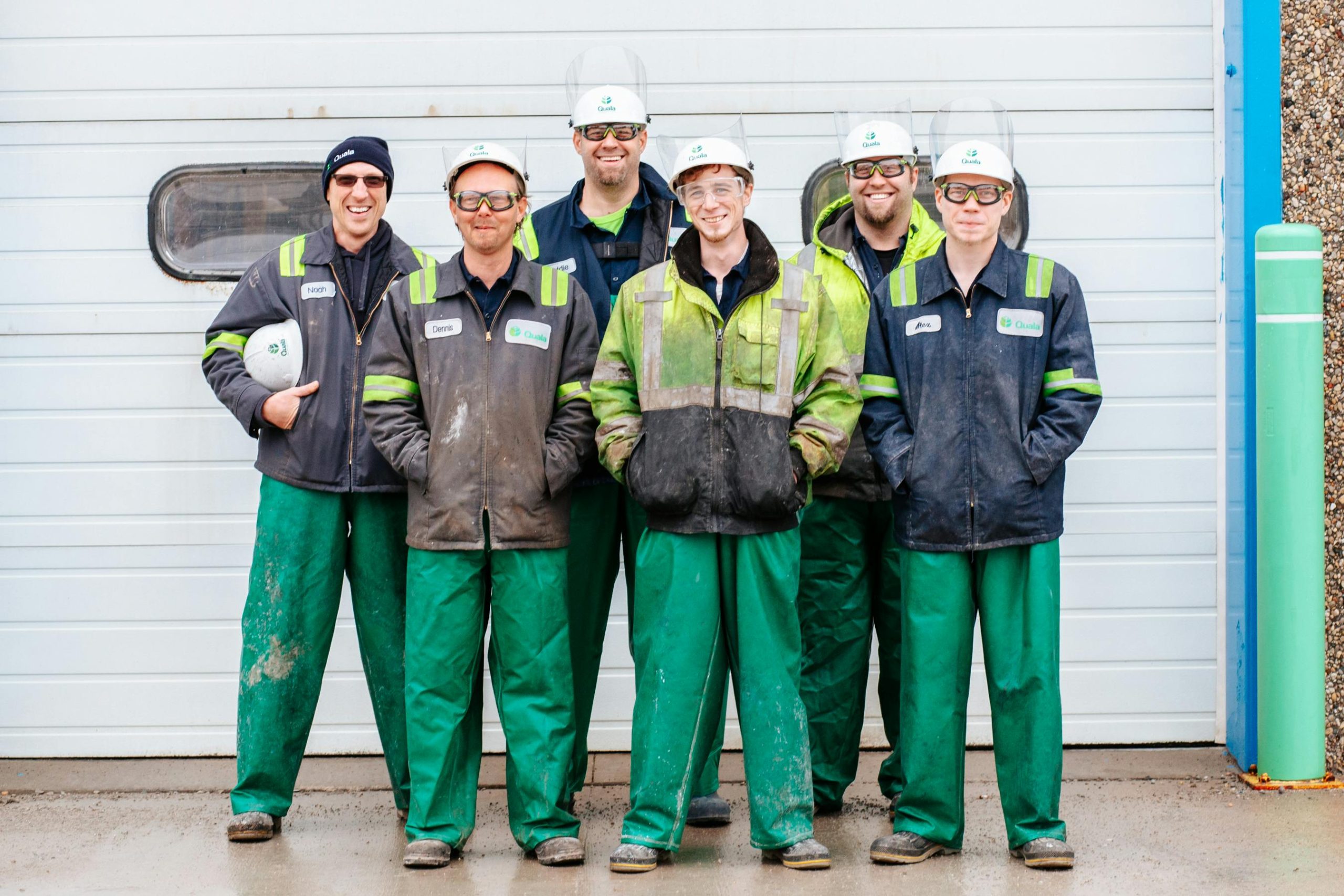
In Heart of the Line, Mohsine Gdid offers a reflection that captures this experience in a deeply human way. Without trying to present it as something polished or ideal, the story brings forward the emotional reality of starting again, of stepping into unfamiliar work, unfamiliar spaces, and slowly finding meaning within them.
What stands out is not just the change in environment, but the transformation that happens within.
Starting over in a new country is not a single moment. It is a series of moments. Some difficult, some quiet, some unexpectedly meaningful. Each one adds to a story that is still being written.
And somewhere along the way, what once felt like displacement begins to feel like direction. Not because everything has become easy, but because you have grown into the person who can carry it.
That is what it really feels like. Not just starting over, but slowly, steadily becoming.